
US Distributor Setup for B2B: Key Steps and Risk Control

US distributor setup for B2B means building a channel structure that gives you market access without losing control over pricing, contracts, compliance, and customer coverage. The right setup starts with partner selection, then moves into territory design, contract rules, reporting, and a clean legal structure. Many companies treat distributor setup as a sales task. That […]
Outcome-Driven Legal Messaging for 2026

Outcome-driven legal messaging examples focus on the business result a client needs, not only on the legal task being performed. In 2026, this style of communication matters because buyers compare advisers by clarity, speed, and practical relevance, not by technical language alone. Legal messaging has shifted in the last two years. Buyers still expect precision, […]
How to find US industrial market sales partners in 2026
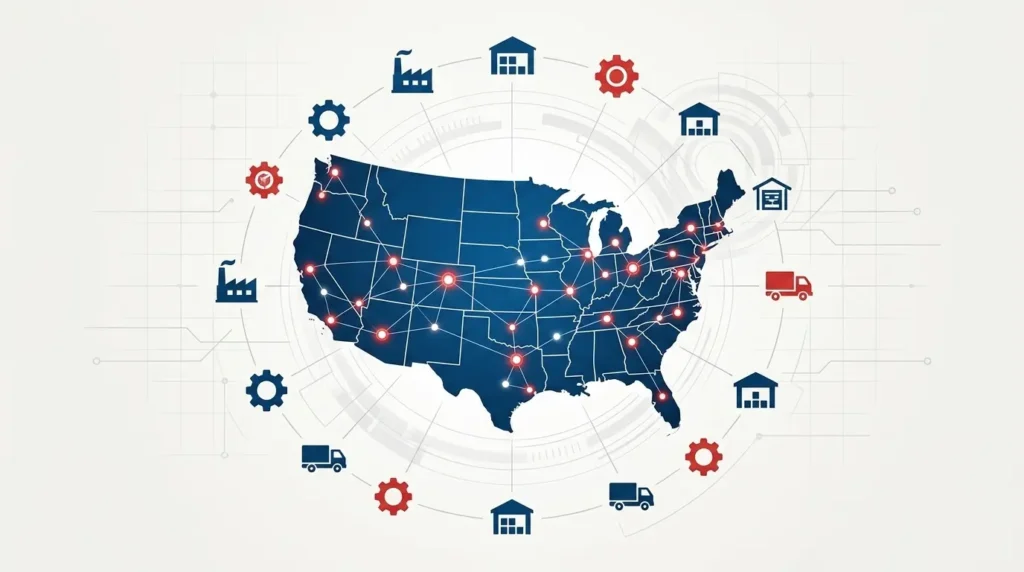
Finding sales partners in the US industrial market works best when you start with channel fit, territory logic, and compliance screening, not with a long list of names. In 2026, the strongest approach is a staged process that tests coverage, technical capability, and commercial discipline before you grant real market access. The US industrial market […]
US Distributor Agreement Essentials for 2026: Market Entry
US distributor agreement essentials are the contract terms that define who can sell, where they can sell, how they get paid, and which party carries which risks. In 2026, a solid agreement also needs clear rules for compliance, product claims, data handling, and termination, because US market entry now faces heavier onboarding and documentation standards […]
M&A Financial Due Diligence Checkpoints: 2026
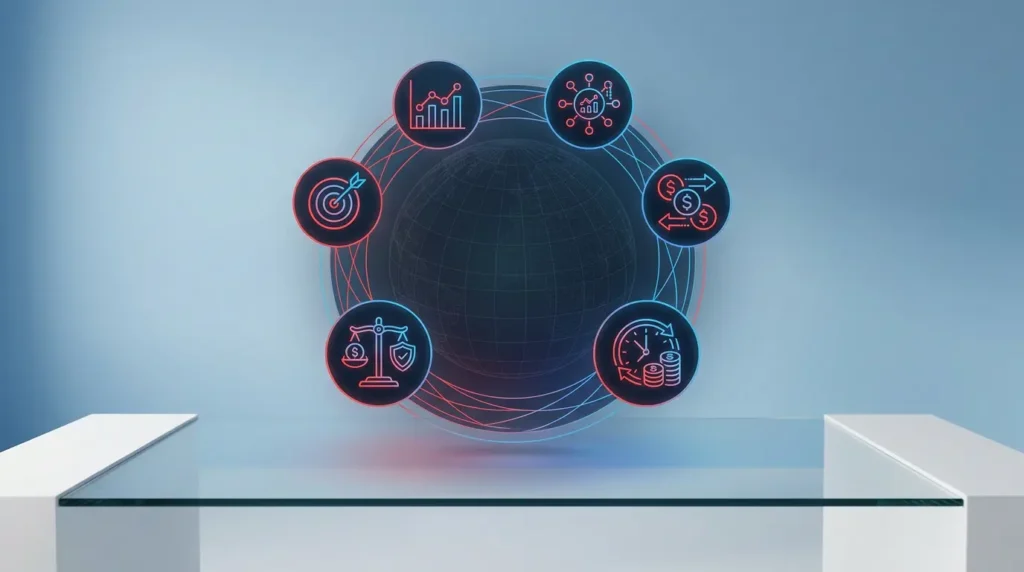
Financial due diligence checkpoints in M&A are the core review points buyers use to test earnings quality, cash flow reliability, debt exposure, working capital needs, and financial risks before signing or closing a deal. In practice, the topic behind the German keyword finanzielle Due-Diligence-Checkpunkte M&A is about one thing, checking whether the target’s numbers support […]
Distributor vs Direct Sales USA 2026: When to Choose
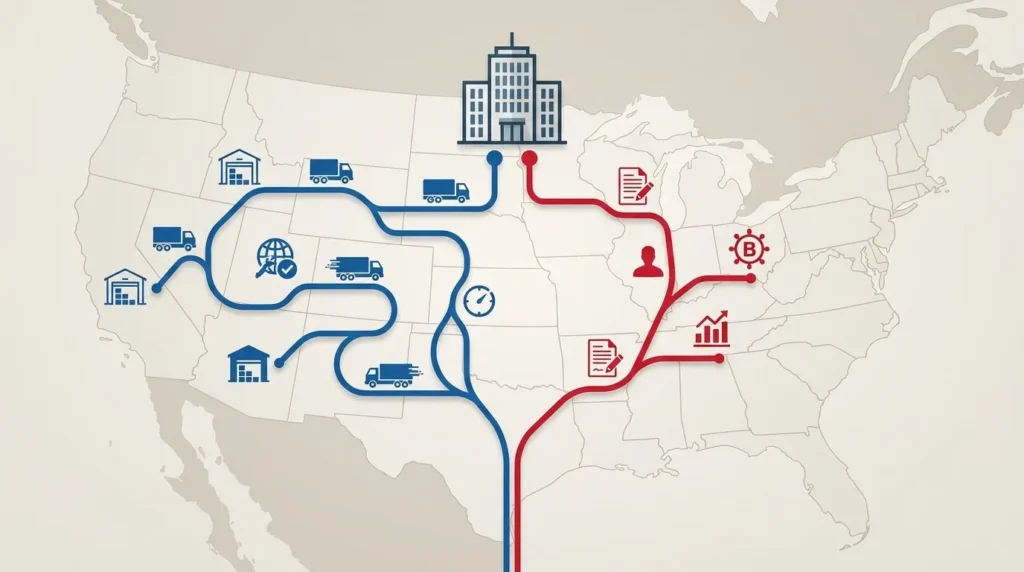
Distributor or direct sales in the USA depends on your product, margin structure, service burden, and risk tolerance. In 2026, many foreign companies choose a phased model, using distributors for early reach or direct sales for tighter control, because US market access still rewards speed, but weak channel design creates expensive friction later. The German […]
CLOUD Act and International Data Transfers: 2026 Guide

International data transfer and CLOUD Act overview starts with one practical point. Cross-border data does not move only when you send files abroad. It also moves when you use cloud services, remote support, global HR tools, or US-linked providers that can face lawful access demands under US law. In 2026, companies need to assess two […]
US Market Rollout KPIs: Track Traction, Speed, Compliance

KPIs for a successful US market rollout are the metrics that show whether expansion is becoming commercially viable, operationally workable, and legally controllable. In 2026, the most useful KPI set combines revenue signals with channel quality, compliance readiness, cash discipline, and execution speed. Many companies track sales first and everything else later. That is usually […]
Integrated Financial and Legal Due Diligence for Global M&A

Financial and legal due diligence in global M&A is the structured review of a target company’s numbers, contracts, liabilities, compliance position, and legal structure before signing or closing a deal. In 2026, the process matters more because cross-border transactions face tighter scrutiny on quality of earnings, sanctions exposure, data governance, ownership transparency, and post-closing integration […]
US Market Entry: Speed vs Compliance
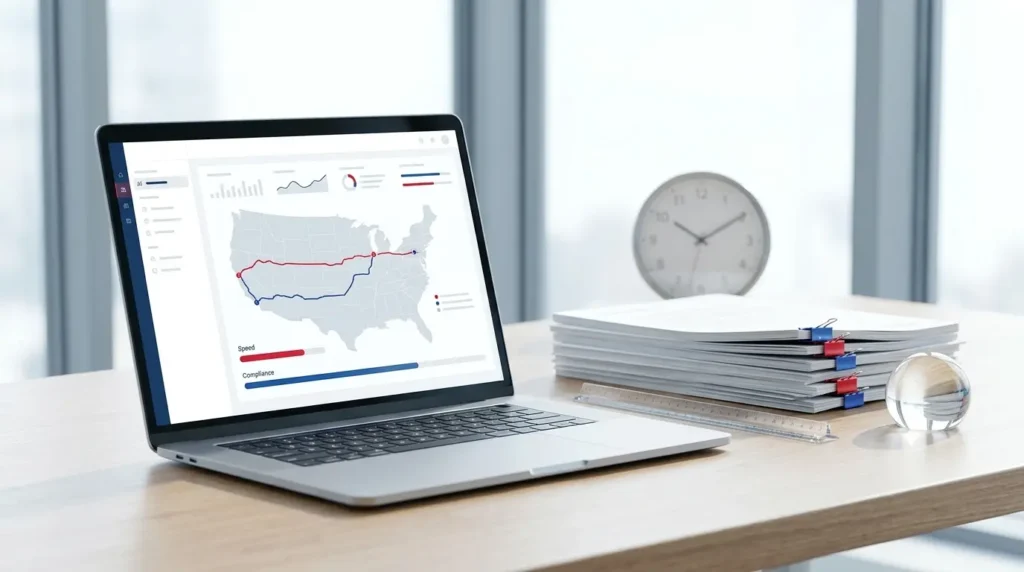
Time to market considerations for US expansion come down to one practical point. Speed matters, but speed without structure usually creates delays later in contracts, banking, state registrations, and compliance reviews. In 2026, companies entering the United States face a market that still rewards fast execution, yet demands cleaner documentation than many teams expect. Recent […]